For most Americans, it never even occurs to us to take food with us when we leave home.
If we’re going to be gone for twelve hours, twenty-four hours, or even a few days, we pack clothes, toiletries, and whatever else we might need — but we don’t usually pack food.
Why would we?
There’s a restaurant on every corner.
If we get hungry, we stop somewhere and eat.
That system works fine…until it doesn’t.
If you travel with food allergies, dietary restrictions, or health issues that limit what you can eat, restaurants suddenly stop being an easy solution. Even when a menu looks safe, cross-contamination, hidden ingredients, or simple misunderstandings can turn a meal into a problem.
And once you realize restaurants aren’t always a reliable option, most people fall back on the one kind of packed meal they remember from childhood:
The sack lunch.
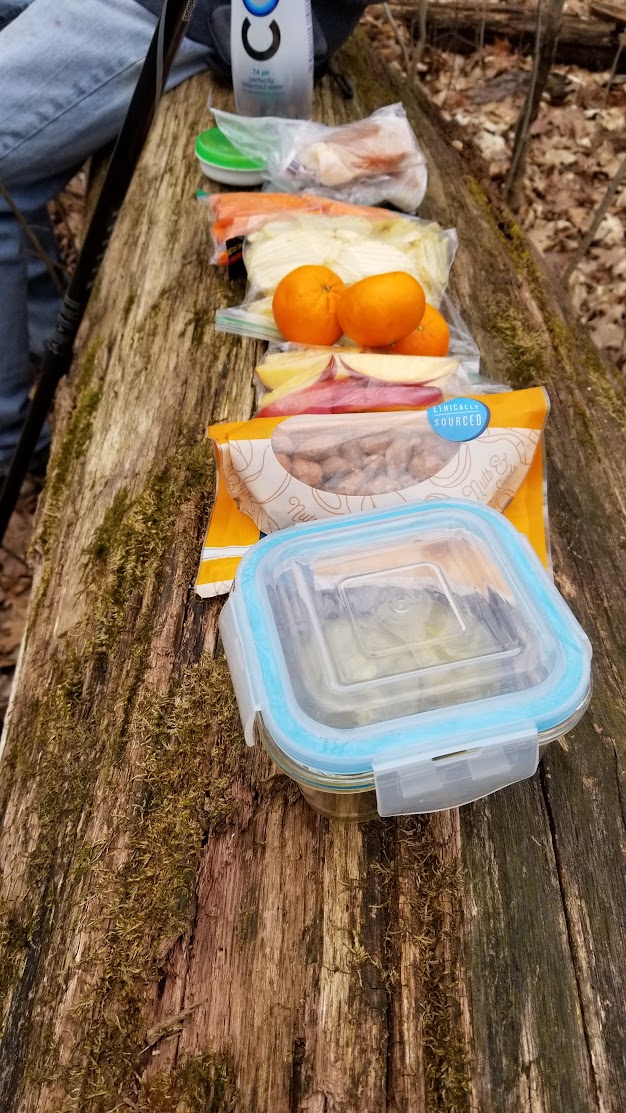
Usually that means some version of a sandwich, a small bag of chips and a piece of fruit.
Unfortunately, for many people with dietary restrictions, bread is the first thing that disappears. Gluten-free bread exists, but most people who have tried it know that it’s rarely good unless it’s toasted or heated. Pulling it straight out of a cooler and making a cold sandwich usually isn’t very appealing.
So now the standard solution doesn’t work either. Sure, you can pack some rolled lunch meat and an apple to get through the workday, but what about a much needed weekend get-away or a week long family vacay?
That’s where the pantry box system comes in. And the cornerstone of the system is what I call “The Pantry Box.”
The Pantry Box is a small collection of shelf-stable foods — the kinds of ingredients you would normally grab from your pantry when you start cooking at home.
The goal is simple: make it possible to cook real meals anywhere, when you aren’t in your own kitchen. It’s the system I use to travel with dietary restrictions without relying on restaurants.
With a small foundation of pantry ingredients, you can add a few fresh items from a grocery store and put together meals that fit your dietary needs no matter where you are.
Once you start thinking this way, eating away from home becomes much easier.
And there are some happy side effects too.
You often spend less money, you eat more balanced meals, and you avoid the constant gamble of hoping a restaurant meal will be safe.
But those things are bonuses.
The real purpose of the pantry box system is much simpler:
It teaches you how to feed yourself when the default American solutions — restaurants and sandwiches — aren’t good options.
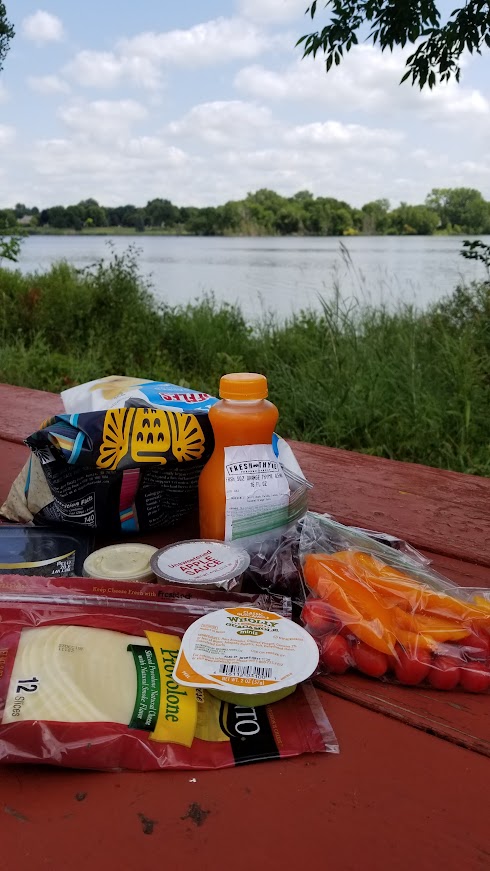
A typical summertime travel lunch for us. Some of these foods are mine, some are Shane’s — the point is bringing foods each person can safely eat.
How to Use This Site
If you’re new here, these are the best places to begin.
Learn the System
Start with the foundation of everything I do when I travel.
Learn How to Cook While Traveling
You don’t need a full kitchen to make real meals. Here I share the methods I use in hotel rooms, campsites, picnic tables, and even parking lots.
Find Simple Meal Ideas
These are meals that travel well, reheat well, and work with many different dietary restrictions.
See the Tools I Use
These are the coolers, cooking tools, and travel gear that make my system work.
Why I Built This Site
I created My Pantry Box because I know what it feels like to think your world just got smaller.
Dietary restrictions can make everyday life harder, and travel can feel almost impossible.
But it doesn’t have to stay that way.
With the right preparation and a simple system, it’s still possible to travel, explore, visit family, hike new trails, and enjoy the places you love.
You just have to bring your kitchen with you — at least the important parts.
If you’re ready to start building your own system, the best place to begin is right here: